Educational content only. No medical services. No promises of outcomes.
Overview of Natural Dietary Components
An educational resource exploring natural ingredients commonly discussed in men's everyday nutrition and lifestyle contexts. This platform provides neutral, informational content about dietary elements from a cultural and historical perspective.
Learn More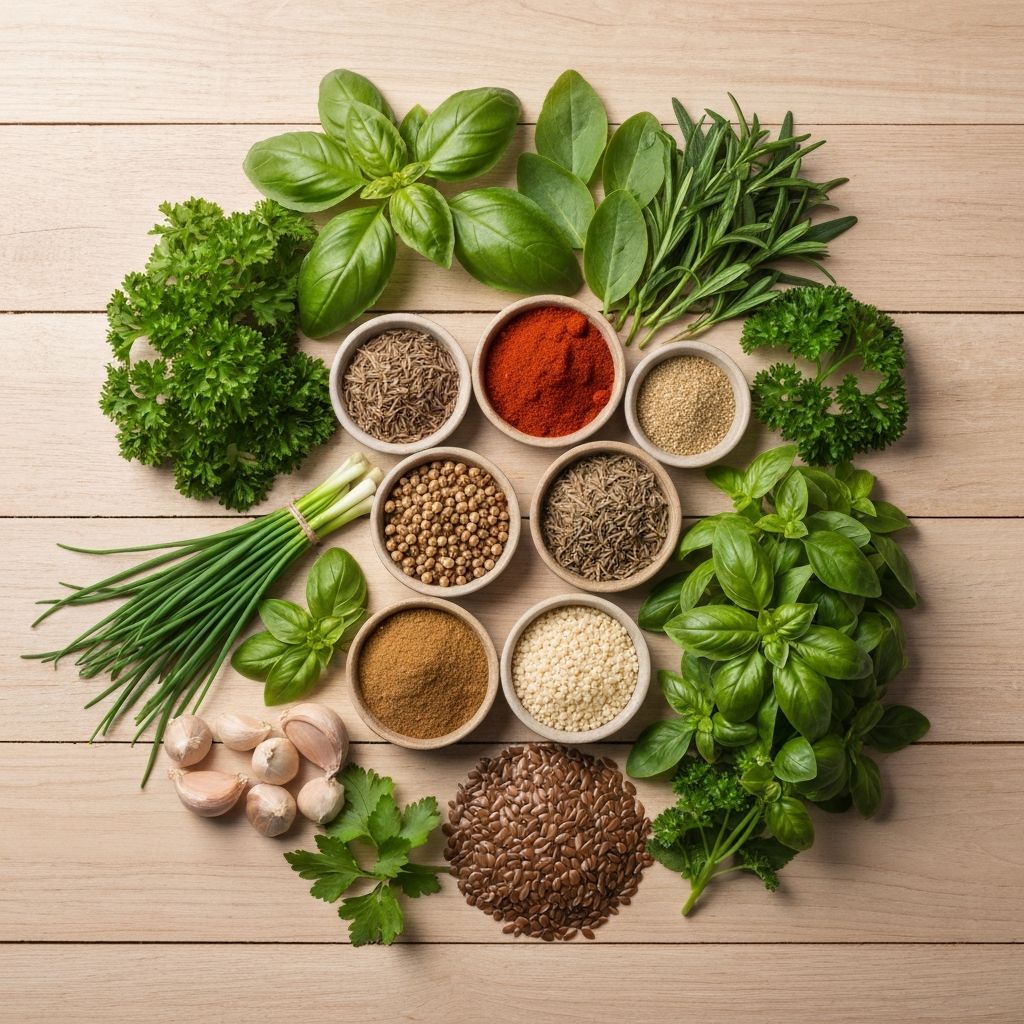
Natural Ingredients Overview
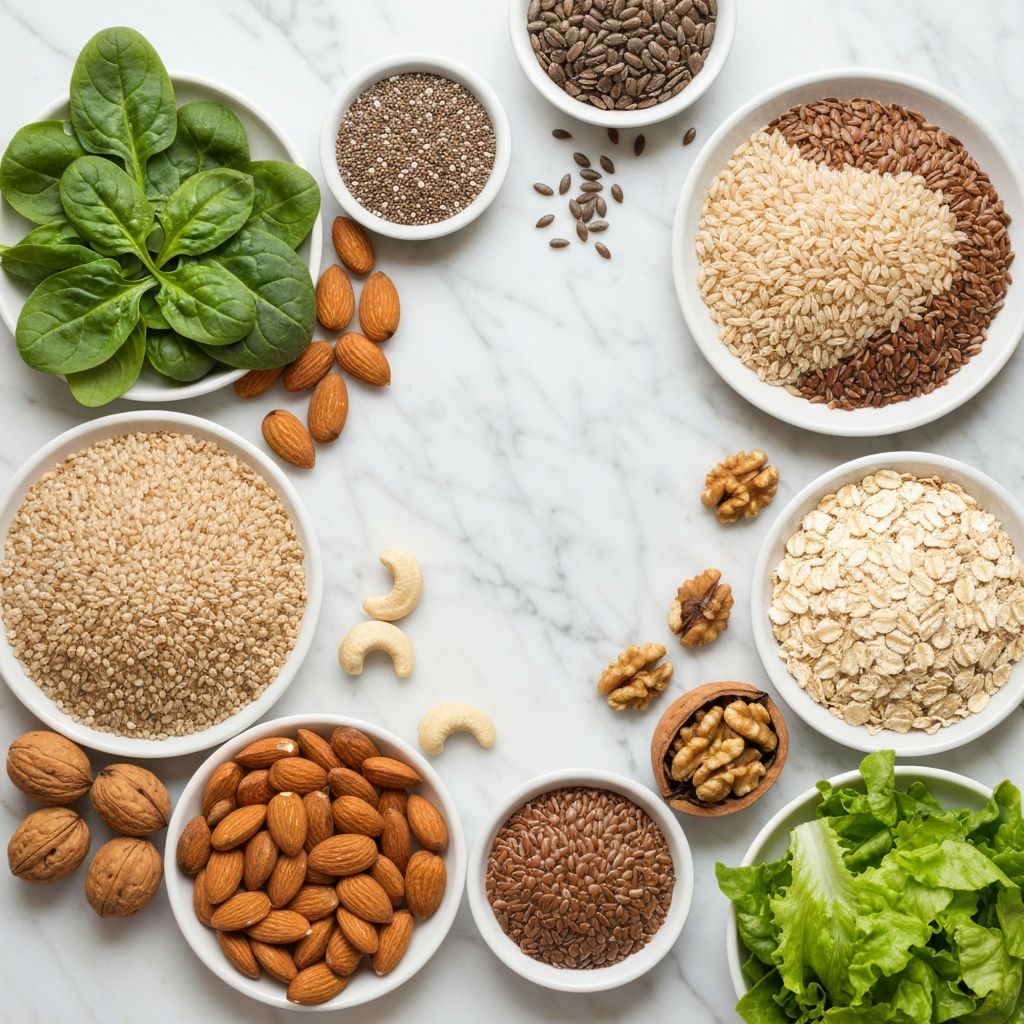
Natural ingredients have been part of human dietary practices for thousands of years across diverse cultures. These components include a wide range of plant-based materials, minerals, and organic compounds that are commonly found in everyday foods and traditional preparations.
The study of these ingredients encompasses understanding their historical usage patterns, cultural significance, and their role in traditional dietary practices around the world. From herbs used in culinary traditions to minerals present in natural water sources, these elements form an integral part of human nutritional history.
This educational overview aims to provide neutral information about these dietary components without making any claims about their effects or recommending their use for any particular purpose.
Plant-Based Components in Daily Diets
Plant-based dietary components represent a broad category of ingredients derived from botanical sources. These include leaves, roots, seeds, fruits, and bark that have been incorporated into human diets across different geographical regions and historical periods.
Traditional culinary practices often feature specific plants that have been passed down through generations. These ingredients are typically used in cooking, beverages, and food preparation methods that reflect local agricultural practices and cultural preferences.
The diversity of plant-based components in global diets reflects the adaptability of human nutritional practices to local environments and available resources. Understanding these patterns provides insight into the relationship between geography, culture, and dietary choices.
Common Categories
- Leafy herbs and greens used in culinary traditions
- Root vegetables and tubers in various cuisines
- Seeds and nuts as dietary staples
- Fruits and berries in traditional preparations

Minerals in Everyday Nutrition
Minerals are naturally occurring inorganic elements that are present in various foods and water sources. These elements have been part of human diets since the earliest times, obtained through the consumption of plants, animals, and drinking water from natural sources.
Different geographical regions have varying mineral compositions in their soil and water, which historically influenced the mineral content of locally grown foods. This natural variation has contributed to diverse dietary patterns across cultures.
Commonly Discussed Minerals
Several minerals are frequently mentioned in discussions about everyday nutrition. These include elements that are widely distributed in natural food sources and have been studied in the context of general dietary patterns.
- Zinc - found in various seeds, legumes, and whole grains
- Magnesium - present in leafy greens and nuts
- Selenium - occurs naturally in certain soils and foods
- Iron - available in both plant and animal food sources
The presence of these minerals in diets varies based on food choices, geographical location, and agricultural practices. This information is provided for educational purposes only.
Vitamins as Dietary Elements
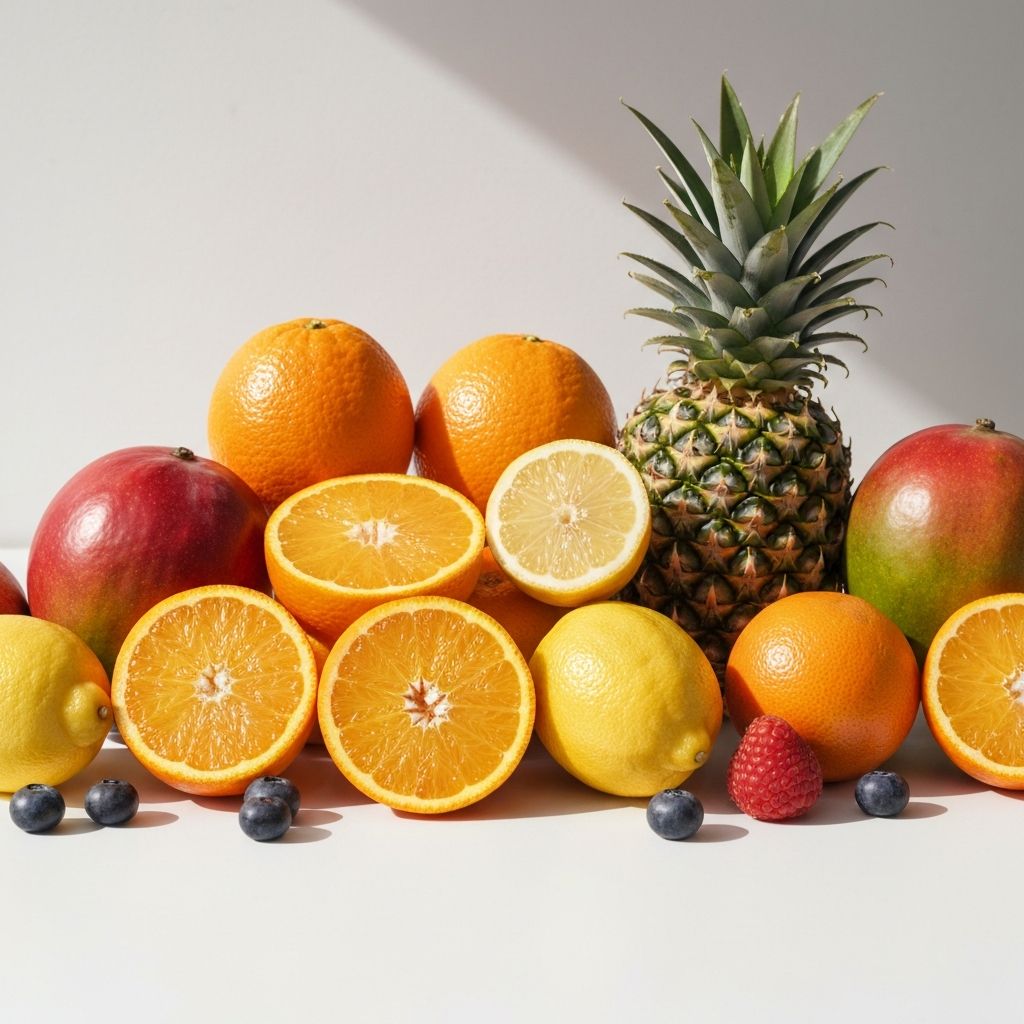
Vitamins are organic compounds that are present in various natural food sources. The understanding of vitamins developed over centuries of observation about the relationship between diet and general wellbeing in different populations.
Historical records from various cultures document awareness of the importance of dietary variety, even before the scientific identification of specific vitamins. Traditional dietary practices often incorporated diverse food sources that provided a range of these compounds.
Categories of Vitamins
Vitamins are generally categorized based on their solubility characteristics. Water-soluble vitamins are found in many fruits and vegetables, while fat-soluble vitamins are present in foods containing natural fats and oils.
The natural occurrence of vitamins in foods has been a subject of educational interest for understanding traditional dietary patterns and their cultural contexts.
Cultural Perspectives on Natural Ingredients
Different cultures around the world have developed unique relationships with natural ingredients based on their local environments, agricultural traditions, and historical practices. These cultural perspectives offer educational insights into the diversity of human dietary patterns.
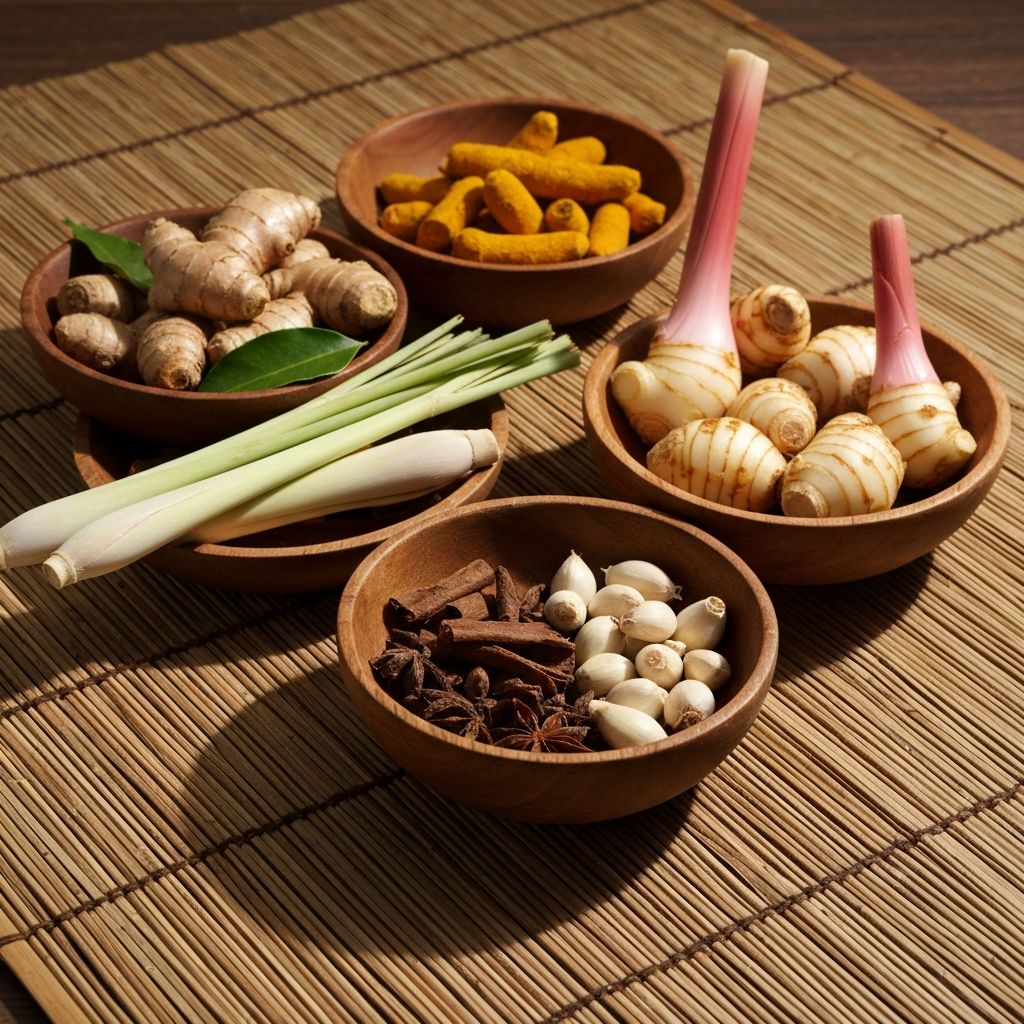
In Southeast Asian cultures, including Indonesian traditions, various herbs and spices have been integral to culinary practices for centuries. These ingredients are often featured in traditional recipes and food preparation methods that reflect local customs.
Regional Variations
The selection and use of natural ingredients varies significantly across regions. Factors such as climate, soil composition, and historical trade routes have influenced which ingredients became prominent in different cultural contexts.
Understanding these cultural perspectives provides educational value for appreciating the diversity of global dietary traditions without making comparisons or recommendations.
Historical Use of Natural Components
The historical use of natural components in human diets spans millennia and encompasses diverse civilizations. Archaeological and historical records provide evidence of how different societies incorporated various plants, minerals, and other natural elements into their food practices.
Ancient texts from various cultures contain references to natural ingredients used in food preparation. These historical documents offer educational insights into traditional knowledge about dietary practices, though they should be understood within their historical context rather than as guides for modern behavior.
Documentation Through History
Historical records of natural ingredient use come from various sources including ancient manuscripts, archaeological findings, and oral traditions. These sources provide a window into past dietary practices across different civilizations.
The study of historical dietary patterns is an academic field that examines how food choices were influenced by factors such as geography, trade, agriculture, and cultural beliefs. This educational perspective helps contextualize the role of natural ingredients in human history.
Modern Dietary Context

In contemporary contexts, discussions about natural dietary components take place within a complex landscape of information sources and varying perspectives. Modern food systems differ significantly from historical patterns, with globalized supply chains making diverse ingredients available across regions.
The contemporary interest in natural ingredients reflects broader cultural conversations about food choices and dietary patterns. These discussions occur in various contexts, from academic research to everyday conversations about food.
Information Landscape
Today, information about natural dietary components is available from numerous sources with varying levels of authority and reliability. Educational resources aim to provide neutral, factual information that helps contextualize these ingredients within broader dietary discussions.
Understanding the modern context of dietary discussions requires recognizing the difference between educational information and personalized guidance, which should come from qualified professionals.
Neutral Lifestyle Contexts for Men
Discussions about nutrition and dietary components often occur within broader lifestyle contexts. For men, these conversations may relate to general topics such as food preferences, cultural food traditions, and everyday eating habits.
The relationship between diet and lifestyle has been a subject of general interest across cultures and throughout history. Different societies have developed various perspectives on food and its role in daily life, reflecting cultural values and traditions.
Everyday Considerations
In everyday contexts, dietary discussions may involve considerations such as food availability, cultural preferences, taste, and convenience. These practical factors influence food choices across different populations and demographics.
Understanding the broad context of dietary discussions helps frame educational information appropriately, distinguishing between general knowledge and specific guidance that would require professional input.
Limitations and Context
Important Information About This Content
The information provided on this website is for educational purposes only and is intended to offer general knowledge about natural dietary components from historical and cultural perspectives.
This content does not constitute individual recommendations or personalized guidance of any kind. Dietary choices and nutritional needs vary significantly among individuals based on numerous factors.
The diversity of approaches to everyday nutrition reflects individual circumstances, cultural backgrounds, and personal preferences. There is no single approach that applies universally to all individuals.
This educational resource does not replace personalized decisions or professional consultation. Any decisions regarding diet or nutrition should be made based on individual circumstances and appropriate professional guidance.
Frequently Asked Questions
Explore Additional Educational Content
Continue learning about natural dietary components and their historical and cultural contexts through our educational resources.
Read More About This ResourceContact Information
Naturaform
Jl. Kemang Timur No.47, South Jakarta, Indonesia
Phone: +62 81 76 29 54 08
Email: [email protected]